


Depression and Poor Health
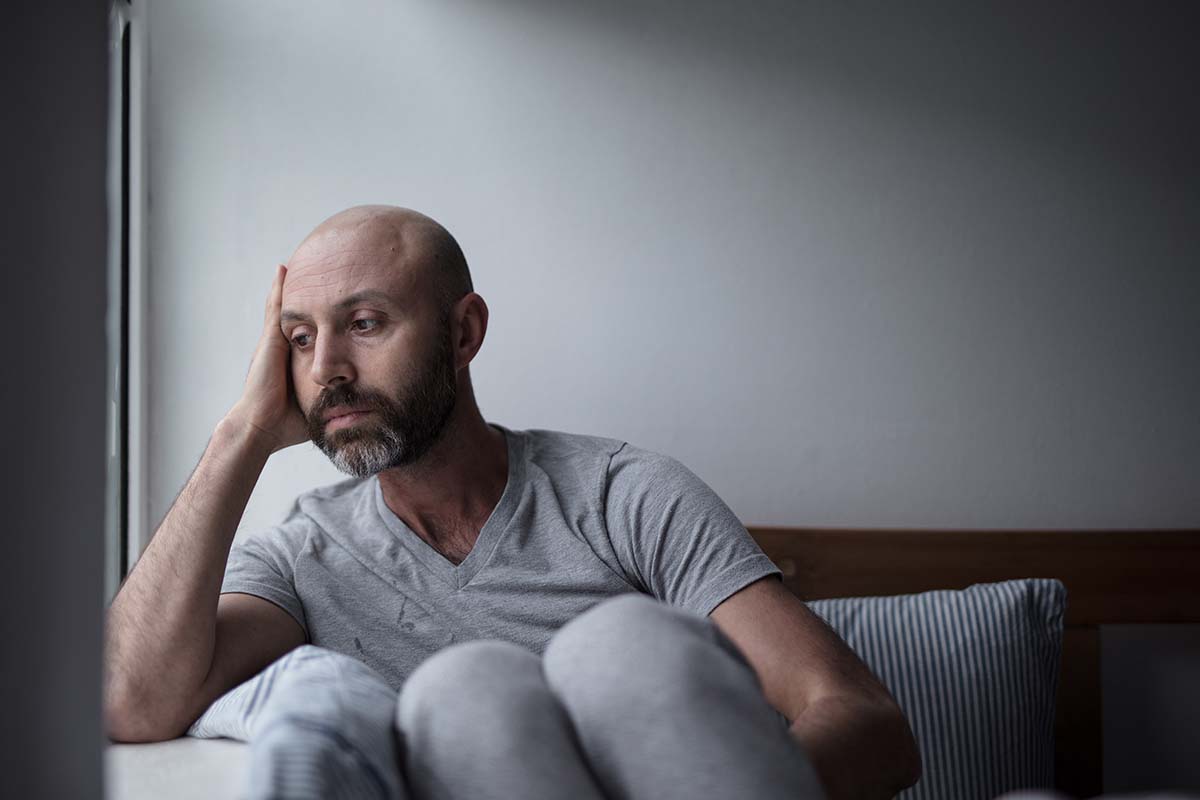
How Are Depression and Poor Health Linked?
According to some experts, depression has been a predictor of poor health around the world. People who struggle with depression also may struggle with other problems. Why might that be? One example is your physical health. If you have depression, you most likely don’t have the will or energy to go out and exercise. Some people with depression forget to eat. Others may eat too much. In both cases, you’re setting yourself up for poor health. If you eat too much, you put yourself at risk for obesity, heart conditions, high blood pressure, and a host of other issues. Conversely, eating too little will cause problems fighting off diseases, anemia, and infertility.
Other links between depression and poor health include:
- Insomnia
- Headaches
- Tiredness
- Chronic pain
- Increased risk of heart disease
- Weight loss or weight gain
- Nausea
- Diarrhea
- Constipation
- Inflammation
The Connection Between Depression and Substance Use Disorder
Depression and substance use disorder frequently occur together. People living with depression are more likely than the general population to also struggle with alcohol or drug use, and many people who seek help for addiction discover that an underlying mood disorder has been part of the picture all along.
The relationship runs in both directions. Some men turn to alcohol or other substances to manage the emotional weight of depression, seeking short-term relief from persistent sadness, low energy, or social withdrawal. Over time, however, substance use can worsen depressive symptoms by disrupting brain chemistry, interfering with sleep, and eroding the relationships and routines that support mental health. This cycle of self-medication and worsening mood is a common pattern among men who enter residential treatment.
Understanding which condition came first matters clinically, but it does not change the immediate need: both conditions must be treated at the same time. Treating only one while leaving the other unaddressed significantly increases the risk of relapse and continued health decline.
Why Men Often Delay Seeking Help for Depression
Men are statistically less likely than women to seek treatment for depression, and less likely to recognize or name what they are experiencing as depression. Cultural expectations around emotional expression, self-reliance, and strength can make it difficult for men to acknowledge that something is wrong. This delay has real consequences: untreated depression compounds physical health problems, strains relationships, and increases vulnerability to substance use as a coping mechanism.
At Red Oak Recovery, the men’s program is designed with this reality in mind. The Blue Ridge Mountains setting, adventure-based therapy, and peer community model create an environment where men can engage with their mental health in ways that feel grounded and active, not clinical or isolating. Hiking, fly fishing, canoeing, and culinary therapy are not add-ons; they are structured therapeutic tools that help men reconnect with their bodies, build trust with peers, and process emotional experiences that are difficult to access in a traditional office setting.
Spotting the Signs of Depression
Depression is much bigger than regular old sadness. It has mental and physical effects that can impact your daily life, job, relationships, and sobriety. Here are some common depression symptoms to look for.
- Fatigue or lack of energy
- Insomnia
- Sleeping too much
- Changes in appetite or weight
- Physical pain
- Memory problems
- Social withdrawal
- Unexplained sadness
- Loss of interest in hobbies/activities
What Dual-Diagnosis Treatment Looks Like at Red Oak Recovery
Dual-diagnosis treatment means that both depression and substance use disorder are addressed within the same program, by the same clinical team, at the same time. This is different from programs that treat addiction first and refer mental health concerns elsewhere. When depression goes untreated during addiction recovery, it remains a powerful trigger for relapse.
At Red Oak Recovery, the clinical team uses a combination of evidence-based therapies to address co-occurring depression and substance use disorder in men:
- Cognitive Behavioral Therapy (CBT): helps men identify and change thought patterns that fuel both depression and substance use
- Dialectical Behavior Therapy (DBT): builds emotional regulation skills and distress tolerance
- EMDR Therapy: addresses trauma that often underlies or worsens depressive symptoms
- Experiential and Adventure Therapy: uses the natural environment of the Blue Ridge Mountains to support emotional processing and build resilience
- Group and Individual Therapy: provides structured peer accountability alongside one-on-one clinical support
- Family Therapy: repairs relationships and builds the support network that sustains recovery after discharge
The 12-step framework provides additional structure and community connection throughout the program, grounding clinical work in a peer-supported model of accountability and shared experience.
Do You Need Dual-Diagnosis Treatment?
Co-occurring conditions like depression may exist prior to substance use or develop as a side effect of drug and alcohol dependency. Using traditional and holistic therapies, Red Oak Recovery has a proven history of successfully addressing the secondary health challenges that complicate substance use. We treat a variety of addictions, including:
- Alcohol addiction
- Heroin addiction
- Cocaine addiction
- Opioid addiction
- Prescription drug addiction
Frequently Asked Questions About Depression and Addiction
Can depression cause substance use disorder?
Depression does not directly cause substance use disorder, but it significantly increases the risk. Men experiencing depression may use alcohol or drugs to manage symptoms like persistent sadness, sleeplessness, or emotional numbness. Over time, this pattern can develop into a substance use disorder that requires clinical treatment alongside the underlying depression.
What is dual-diagnosis treatment?
Dual-diagnosis treatment addresses two co-occurring conditions, such as depression and addiction, within the same program at the same time. This approach is more effective than treating each condition separately because the two conditions interact and reinforce each other. Red Oak Recovery’s clinical team is trained to treat both simultaneously.
Is depression treatable in a residential rehab program?
Yes. Residential programs that offer dual-diagnosis care, like Red Oak Recovery, integrate mental health treatment directly into the addiction recovery program. Therapies such as CBT, DBT, EMDR, and experiential therapy address depressive symptoms alongside substance use. Many men find that treating both conditions together produces more durable results than addressing only one.
How do I know if I have depression or just feel low because of my substance use?
This is a clinical question that requires a professional assessment, not a self-diagnosis. A licensed clinician can evaluate whether depressive symptoms existed before substance use began, or whether they developed as a consequence of it. Either way, the answer does not change the need for treatment. If you are concerned, speaking with a clinician is the right first step.